Check Engine Light
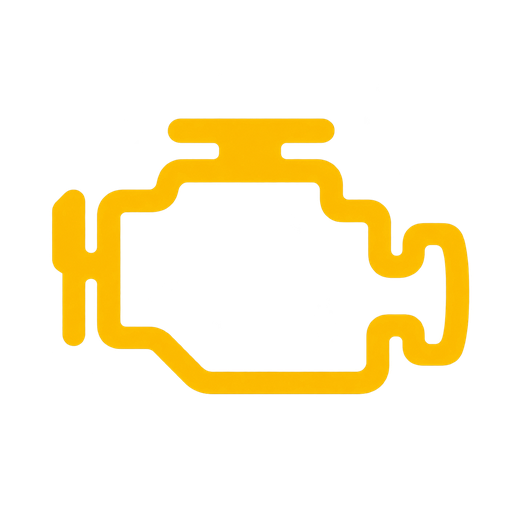
A steady or flashing warning light can indicate anything from a sensor fault to a serious misfire.
Rough idle, loss of power, overheating, unusual noises or a car that will not start? x7auto starts with diagnosis—so the repair is based on what the vehicle actually needs.
Engine problems do not always begin with a breakdown. These symptoms can point to ignition, fuel, cooling, sensor, air-flow or mechanical issues that should be diagnosed before they become larger repairs.
A steady or flashing warning light can indicate anything from a sensor fault to a serious misfire.
Shaking, hesitation or an uneven idle can involve ignition, fuel delivery, air-flow or engine condition.
High temperature readings, coolant loss or steam need prompt attention to help avoid additional engine damage.
Sluggish acceleration or reduced performance can have several causes, so testing comes before replacing parts.
Knocking, ticking, unusual exhaust smoke or burning smells can provide important clues during diagnosis.
Starting problems and unexpected stalling can be related to electrical, fuel, ignition or sensor issues.
A fault code can point us in a direction, but a code by itself does not always identify the failed part. The goal is to combine scan data with inspection and testing so the repair recommendation makes sense.
The exact repair depends on the vehicle and what testing reveals. x7auto can evaluate a wide range of engine-related drivability, cooling, ignition, fuel and leak concerns.
Warning lights, drivability concerns, rough running, performance loss and starting complaints.
Spark plugs, ignition coils and related testing when misfires or hesitation are present.
Air-flow, fuel-delivery and related sensor problems that can affect performance and efficiency.
Inspect leaks, cooling-system operation and related conditions when engine temperature rises abnormally.
Locate common engine-area leaks and identify the component or seal that needs attention.
Inspect worn or damaged engine-bay components and recommend replacement when required.
Clear information at each step, from the first symptom through verification after the approved repair.
We start with the symptoms, when they happen and any warning lights you have seen.
We scan, inspect and test the relevant system based on the complaint.
We explain what we found and what the vehicle needs before repair work begins.
After the approved repair, the affected system is checked again to verify the result.
If the vehicle is overheating, losing oil pressure, knocking loudly, stalling repeatedly or has a flashing check-engine light with severe shaking, continued driving can make the problem worse.
Common questions about engine diagnostics, symptoms and repair.
Engine-repair cost depends on the cause of the problem, the vehicle and the parts involved. Diagnosis comes first so an estimate can be based on the actual repair needed.
Time varies with the symptom and the testing required. Some problems are identified quickly, while intermittent or complex faults may need additional testing.
A steady light can have many causes and should be diagnosed. A flashing light—especially with shaking or loss of power—can indicate a more serious problem and should be addressed promptly.
Possible causes include a misfire, ignition issue, fuel or air problem, vacuum leak, sensor fault, engine mount concern or another mechanical condition. Testing is needed to identify the cause.
Loss of power can come from ignition, fuel delivery, air-flow, exhaust restriction, sensors or mechanical issues. The symptom alone does not identify a single failed part.
Tell us what the vehicle is doing, any warning lights you see and when the problem started. We’ll begin with the information that matters most.